Who are the Copts?

The direct descendants of the Pharaohs

The Greeks named Egypt after the great temple of King Ptah in ancient Egypt: E-Ka-Ptah ("E" = house, "Ka" = soul of the god Ptah).

The words "Copt", "Coptic" share the same root as "Egypt" and "Egyptian": E-KA-Ptah means "house of the soul of Ptah" — and the words "Copt" and "Egyptian" are derived from "Ka-Ptah". The Copts are therefore the indigenous Egyptians, the direct descendants of the ancient Egyptians.
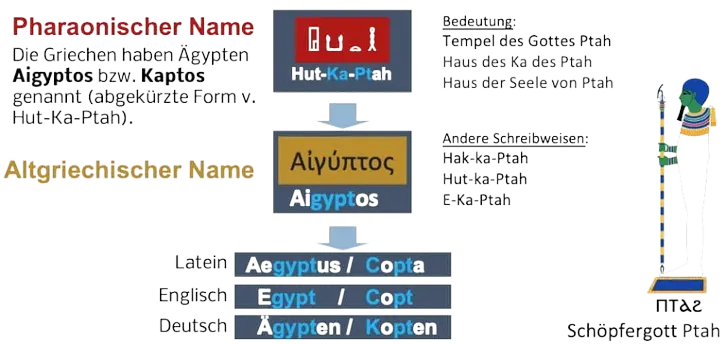
Etymology of the word Copt
Apostle and Evangelist

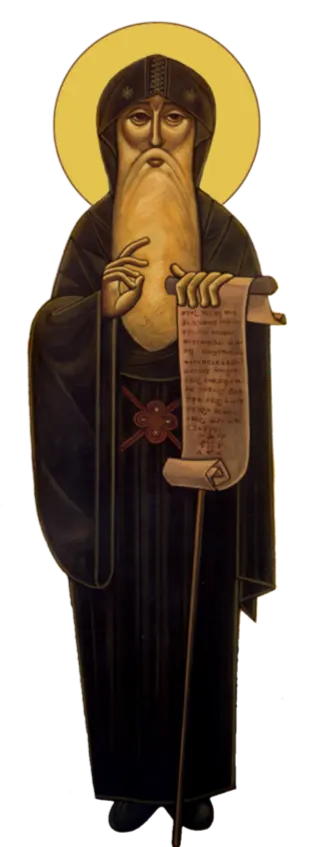
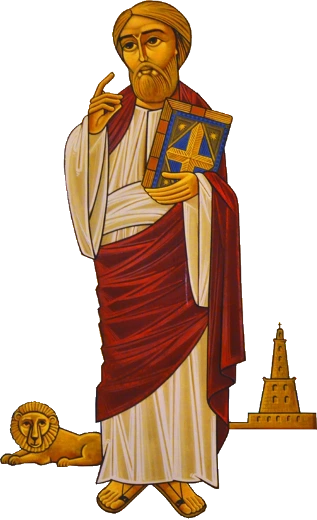
Saint Mark — founder of our Church

The Coptic Orthodox Church was founded by the Apostle and Evangelist Mark in the year 42 AD in Alexandria. Mark is therefore the first Patriarch of the Coptic Church.

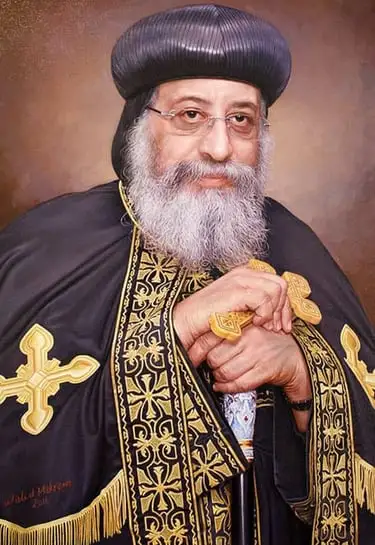
The current Pope, Tawadros II., is the 118th successor of Saint Mark on the Patriarchal Throne of Alexandria.

The Coptic Church is one of the oldest Christian churches in the world. Together with the Armenian, Syrian, Ethiopian, Eritrean and Indian (Malankara) churches, it forms the family of the Oriental Orthodox Churches.

Icon of Saint Mark
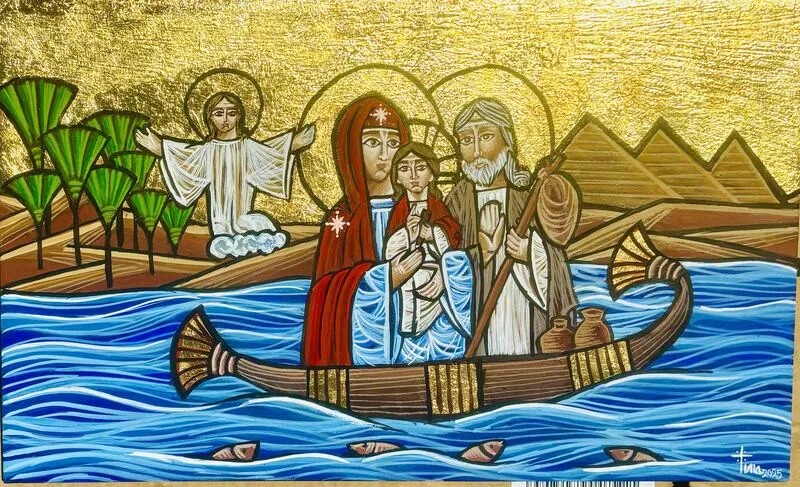
The Holy Family in Egypt

"Out of Egypt I called my Son"

The flight of the Holy Family — Mary, Joseph and the child Jesus — to Egypt is described in the Gospel of Matthew (Mt 2:13-15). For about three and a half years they lived in Egypt before they could return to Nazareth.

Their journey through Egypt is documented at numerous sites that today are sacred to the Coptic Church — among them the cave of Abu Serga in Cairo and the monastery of Al-Muharraq in Upper Egypt.

Through the visit of the Holy Family, Egypt was blessed and prophecy fulfilled: "Blessed be Egypt my people" (Isaiah 19:25).

The Holy Family in Egypt
The Egyptian desert

The cradle of Christian monasticism

The Coptic Church gave Christianity its monastic tradition. Saint Antony the Great (251–356) is considered the father of all monks. He withdrew to the Egyptian desert and inspired countless people to follow him.

Saint Pachomius (292–348) founded the first community of monks (coenobitic monasticism) around 320 in Upper Egypt. From Egypt, monasticism spread throughout the Christian world.

To this day, many of these monasteries are inhabited and visited by pilgrims — among them the monasteries of Saint Antony, Saint Paul, Saint Macarius and the Syrian monastery in Wadi Natrun.

Coptic monk
Faith under persecution

The Church of Martyrs

The Coptic Church is also known as the "Church of Martyrs". During the persecution under Roman emperor Diocletian (284–305), so many Copts died for their faith that the Coptic calendar begins with the year 284 AD — the year Diocletian became emperor: the era of the martyrs, Anno Martyrum (A.M.).

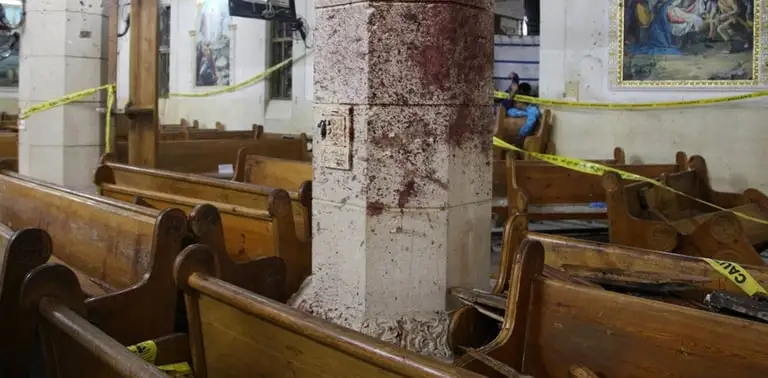
To this day, Copts in Egypt and elsewhere often face persecution. The 21 Coptic martyrs killed in Libya in 2015 were canonized by Pope Tawadros II.

The 21 Coptic martyrs of Libya
Language and Art

Coptic language and Coptic art

The Coptic language is the last stage of the ancient Egyptian language and is still the liturgical language of the Coptic Church today. It is written in the Greek alphabet, extended by seven characters from the demotic script.

Coptic art is characterized by simplicity, deep symbolism and a distinctive iconographic style — particularly recognizable by the large eyes of the saints, which are meant to embody contemplation of the divine.

The Coptic alphabet
Pope Tawadros II.

The 118th successor of Saint Mark

His Holiness Pope Tawadros II. has been the 118th Pope of Alexandria and Patriarch of the See of Saint Mark since November 2012. He is the spiritual head of about 15 million Copts worldwide.

Before his election as Pope, he was bishop of Beheira. Pope Tawadros is known for his pastoral spirit and his openness to ecumenical dialogue.

His Holiness Pope Tawadros II.
Known Copts

Cultural Heritage

Copts have contributed to politics, business, science, art and culture worldwide.

The Sawiris family

The Sawiris Family

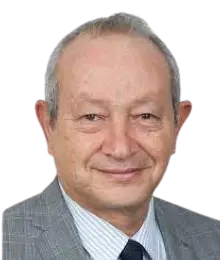
One of the wealthiest entrepreneurial families in Egypt — Onsi, Naguib, Samih and Nassef Sawiris are internationally active in telecommunications, construction and tourism.

Boutros Boutros-Ghali

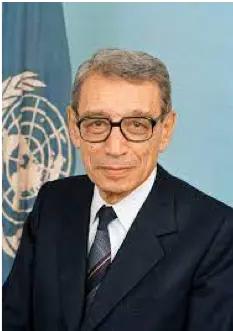
Boutros Boutros-Ghali

Egyptian diplomat and from 1992 to 1996 the 6th Secretary-General of the United Nations — the first African and the first Arab in this office.